Our trained and empathetic volunteers are available to listen to and support you.
1 (855) 909-9038 , ext. 12010
Growing Visibility and the Loss of a Founder

In 2010, ATQ marks its 30th anniversary and publishes its first annual report.
The organization becomes eligible for the Programme de soutien aux organismes communautaires (PSOC), marking increased professionalization: the listening line receives an average of four calls per day, discussion groups are now referred by healthcare professionals, and the Festival Fierté Trans continues to grow.
ATQ is also a member of several networks, including CPATH, the Comité de lutte à l’homophobie, the Centre communautaire gai et lesbien de Montréal (CCGLM), and the Trans Health Network. That same year, the launch of the SIRA research project on trans older adults, conducted in collaboration with Line Chamberland and Chacha Enriquez, reflects the organization’s commitment to knowledge production.
ATQ also collaborates with CPATH in organizing its annual conference and becomes involved in Bill C-389, which aims to include gender identity and gender expression in the Canadian Human Rights Act.
In 2011, ATQ is invited to take part in consultations led by the Ministry of Justice as part of the development of the Action Plan to Combat Homophobia 2011–2016.
The organization launches its new website and secures funding, notably for the Trans Egeria exhibition and for initiatives aimed at combating homophobia.
Its visibility increases through a sustained presence in the media, as well as participation in conferences and symposiums. ATQ also becomes a member of the trans PolitiQ committee and the International Association Against Discrimination of the Image (IAAID).

In 2012, the Trans Egeria exhibition is nominated at the Gala Phénicia of the Chambre de commerce gaie du Québec, now the Chambre de commerce LGBT du Québec (CCLGBTQ).
ATQ begins the process of obtaining charitable status and intensifies its on-the-ground presence through information booths, awareness workshops, and activities in various organizations, universities, and educational institutions.
The organization becomes a member of the Chambre de commerce gaie du Québec and the Groupe gai de l’Université Laval, and receives a grant for the SIRA project. That same year, Marie-Marcelle Godbout is honored at the Gala des bâtisseurs.
In 2013, ATQ establishes a discussion group in Quebec City and expands its listening and referral line to a province-wide service. The organization’s visibility increases, notably through the Trans Egeria exhibition and its involvement with the Chambre de commerce gaie du Québec.
ATQ also participates in the work of the Commission des institutions of the National Assembly of Quebec in relation to Bill 35 on civil status, submitting a brief. The organization also produces a brief on the realities of workplace transitions.
An agreement with Gai Écoute (now Interligne) strengthens the intervention line (now ATQ’s listening and referral line). This year also marks the conclusion of the SIRA research project on trans older adults.
ATQ becomes a member of the advisory committee for the program Pour que vieillir soit gai of Fondation Émergence and strengthens its partnerships, notably with the Centrale des syndicats du Québec. The fight against homophobia emerges as a major issue, to which ATQ actively contributes.
In 2014, ATQ establishes discussion groups for families and loved ones of people in transition, both in Montreal and Quebec City.
The organization receives recurring support from the Government Action Plan to Combat Homophobia (PAGLCH) and expands its membership to include individuals, organizations, and corporations.
ATQ forms a partnership with Desjardins and is named a “coup de cœur” organization by the Chambre de commerce gaie du Québec at the Gala Phénicia.
An agreement between ATQ, Fondation Émergence, and community stakeholders leads to the official addition of “and transphobia” to the International Day Against Homophobia on May 17.
In terms of representation, ATQ participates in Fierté Montréal’s annual general meeting. Monica Bastien, then President of the Board, is elected to Fierté Montréal’s Board of Directors and takes an active role in the trans committee of the Conseil québécois LGBT.
The organization also takes part in mobilization efforts against Bill 35 and maintains a presence at Fierté agricole. ATQ becomes a member of InterPride and Fierté Canada Pride, and supports Enfants transgenres Canada (now Jeunes Identités Créatives) in its application to the Programme de soutien aux organismes communautaires (PSOC).
In 2015, the Centre communautaire LGBTQ+ on Plessis Street, where ATQ has been based since 2008, officially becomes the site of its permanent offices.
Due to a shortage of volunteers, the board of directors exceptionally opens its membership to cisgender individuals. A private ATQ Facebook group is also created to foster exchanges within the community.
With support from the PAGLCH and the PSOC, ATQ is able, for the first time, to provide a salary for the executive director, cover the rent for office space, and acquire computer equipment. Efforts to obtain charitable status continue.
ATQ participates in meetings of the Advisory Committee on Combating Homophobia and Transphobia, as well as in work related to policies and programs addressing LGBTQ+ issues and trans identities. The organization becomes a member of the Alliance Arc-en-ciel de Québec and strengthens its partnership with Fierté Montréal.

In 2016, the organization adopts a new legal name: Aide aux Trans du Québec, reflecting the expansion of its mission and the explicit inclusion of non-binary people under the umbrella term “trans.”
ATQ also undertakes a comprehensive revision of its bylaws and letters patent, modernizing its structure and governance.
The organization collaborates with Fondation Émergence to develop a toolkit for workplaces, titled For Transphobia-Free Work Environments. ATQ also participates in the congress of the Fédération de la santé et des services sociaux, strengthening its presence within institutional and union networks.
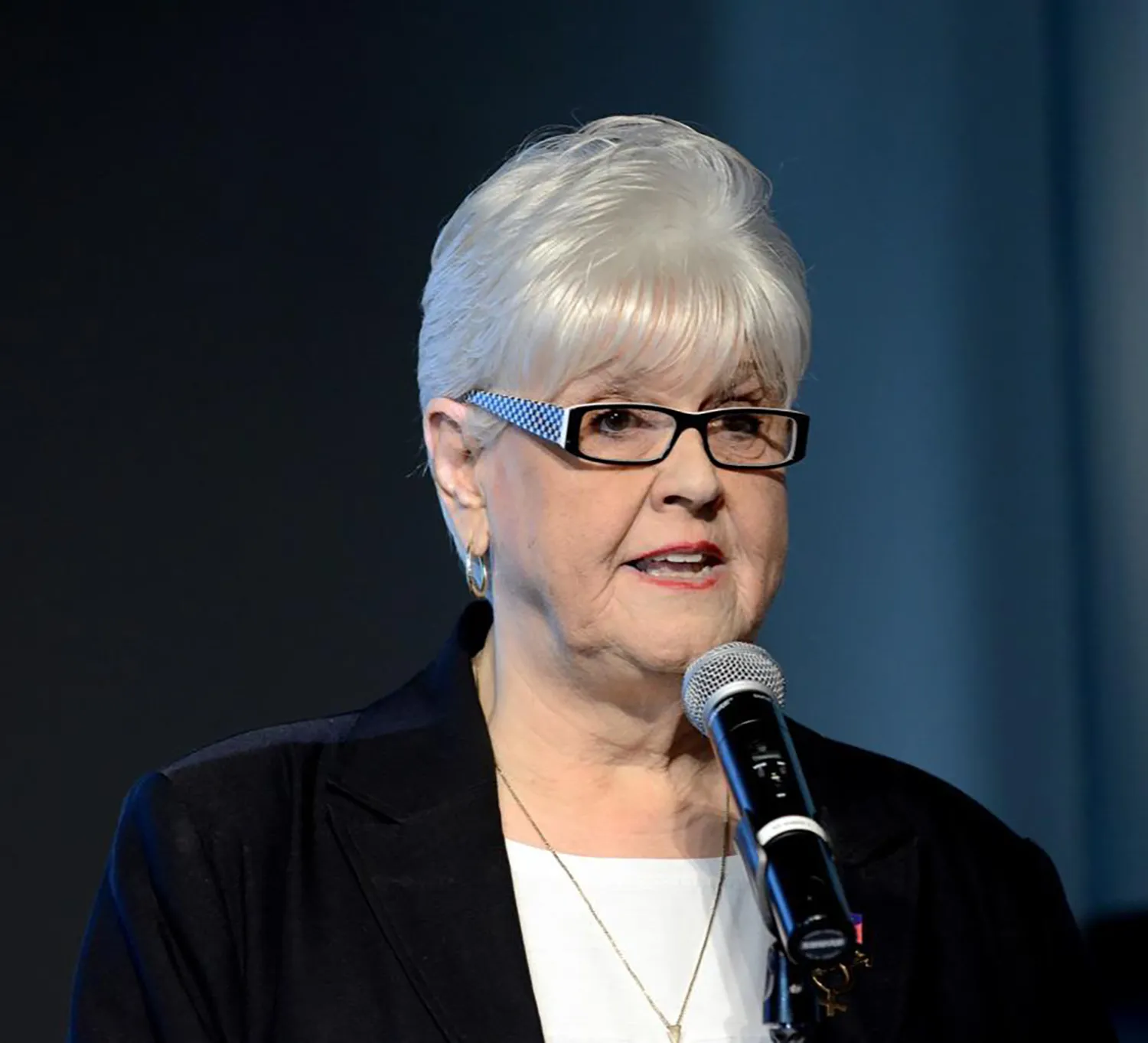
June 20, 2017 marks a major turning point for Aide aux Trans du Québec with the passing of its founder, Marie-Marcelle Godbout, a central figure and pillar of the trans community whose legacy continues to guide the organization’s mission.
Following her death, her personal listening line is closed and the service is fully reorganized. Several tributes are paid to her, as ATQ enters a new phase of professionalization, with the creation of new positions and its first hires in intervention and administration.
The organization strengthens its community presence by organizing its first Trans March and a BBQ as part of Fierté Montréal.
ATQ also takes part in the advisory committee for the exhibition Témoigner pour agir, in partnership with UQAM, strengthens its ties with Action Santé Travesti(e)s et Transexuel(le)s du Québec (ASTT(e)Q), and collaborates with the Service de police de la Ville de Montréal (SPVM) to improve interventions with sex workers from the community.
On the political front, ATQ participates in the work of the Bureau de lutte contre l’homophobie et la transphobie as part of the 2017–2022 Government Action Plan, where community groups advocate for adjustments to better address trans realities.
The organization also takes part in activities related to the SAVIE-LGBT research project and strengthens its partnerships with numerous organizations, including the Centre de lutte contre l’oppression des genres, the Coalition des familles LGBT, Jeunes Identités Créatives (formerly Enfants transgenres Canada), Interligne, Fondation Émergence, L’Astérisk, PFLAG Canada, and the Réseau des lesbiennes du Québec.
In 2018, ATQ creates the Marie-Marcelle Godbout Award, paying tribute to the legacy of its founder. This initiative is not maintained over time. The organization also launches a new website, improving access to information and services.
New services are introduced, including a support group for trans youth aged 12 to 20 and a drop-in service for adults. The welcoming of interns marks an important milestone—its first in 38 years of existence.
ATQ develops an international partnership with the organization TransAmical in Yaoundé, Cameroon, and collaborates with partners in Côte d’Ivoire working in trans rights advocacy. The organization also establishes a partnership with the Fondation Jasmin Roy Sophie Desmarais (now the Fondation Isabelle et Luc Poirier), organizes activities in Quebec City, and participates in the SAVIE-LGBTQ research project.
Finally, ATQ strengthens its ties with Head & Hands, RÉZO, and the SPVM, further consolidating its network of community and institutional collaborations.
In 2019, ATQ presents a renewed second edition of the Trans Egeria exhibition, reaffirming the importance of this cultural visibility project.
_
The organization also develops the guides Bullying: A Unique Phenomenon and Equipping Practitioners to Better Support Trans, Non-Binary, and Gender-Questioning People, intended for intervention settings.
Funding applications are submitted to various levels of government to support the organization’s development. A satellite office in Quebec City makes it possible to offer in-person activities in that region, complementing those held in Montreal.
Community services continue to expand: the weekly discussion group for adults grows in popularity, while a youth group is established in Montreal through a partnership with the Fondation Jasmin Roy Sophie Desmarais. ATQ also offers an oath-taking service to support legal name and gender marker change processes.
As part of the SAVIE-LGBTQ project, the organization actively contributes to research efforts, including document analysis and participation in scientific meetings. ATQ also takes part in the Advancing Trans Health and Well-Being in Canada conference organized by CPATH, and strengthens its ties with the Complexe chirurgical CMC (GrS Montréal) and Clinique 1851, reinforcing its relationships within the healthcare sector.
Call us 24/7
Our trained and empathetic volunteers are available to listen to and support you.
1 (855) 909-9038 , ext. 1