Our trained and empathetic volunteers are available to listen to and support you.
1 (855) 909-9038 , ext. 11960
Introduction: Intolerant Montreal in the 1960s
Arriving in Montreal at age 19 in the 1960s meant stepping into a world that was both vibrant and dangerous. For a young man deemed too effeminate, suspected of homosexuality, the risk of arrest by the police loomed on every street corner. The city’s many lively cabarets offered moments of respite—brief pockets of freedom where it was possible to breathe. But outside, their lights quickly faded, giving way to a constrained, closely monitored daily life shaped by fear.
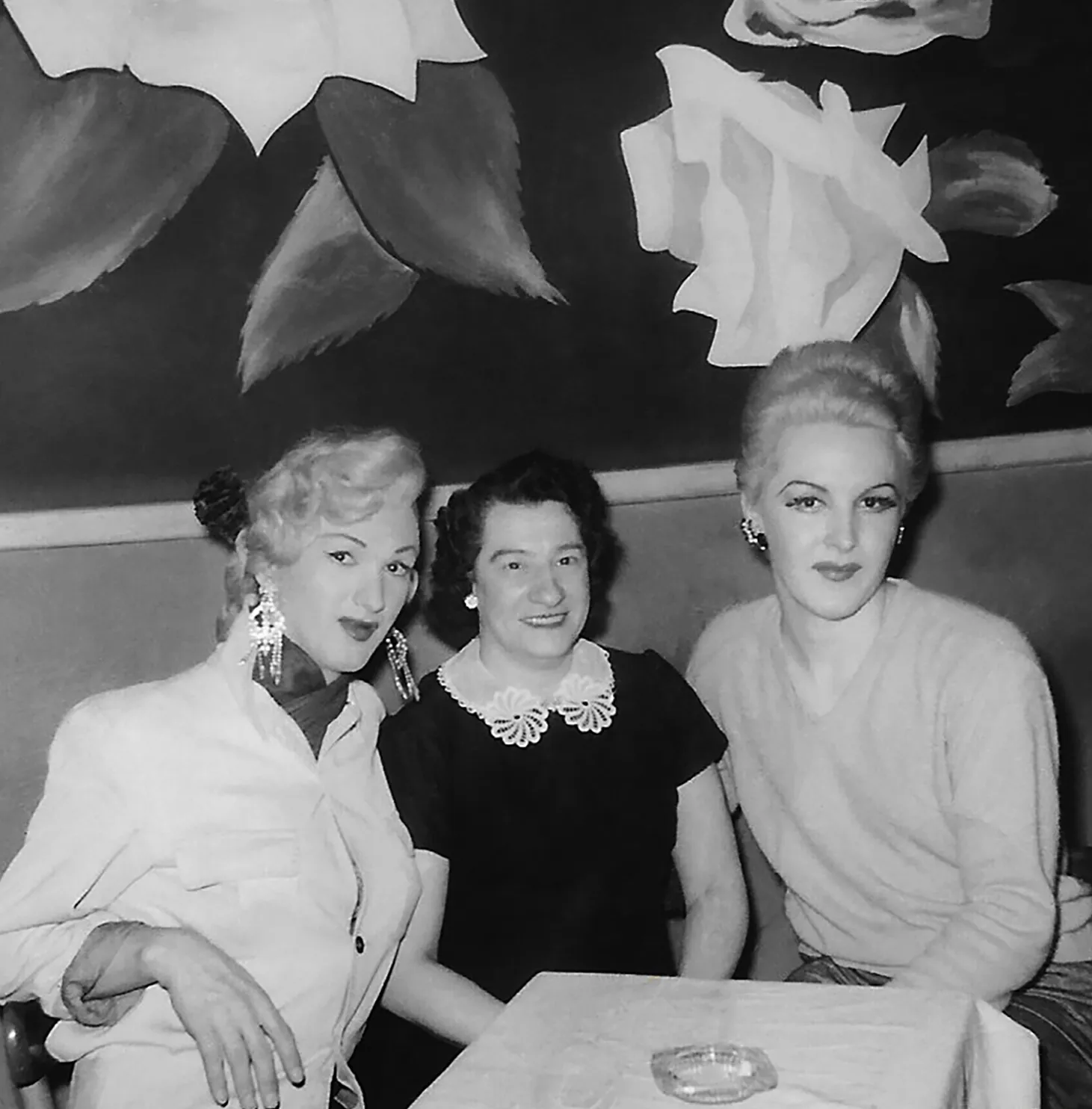
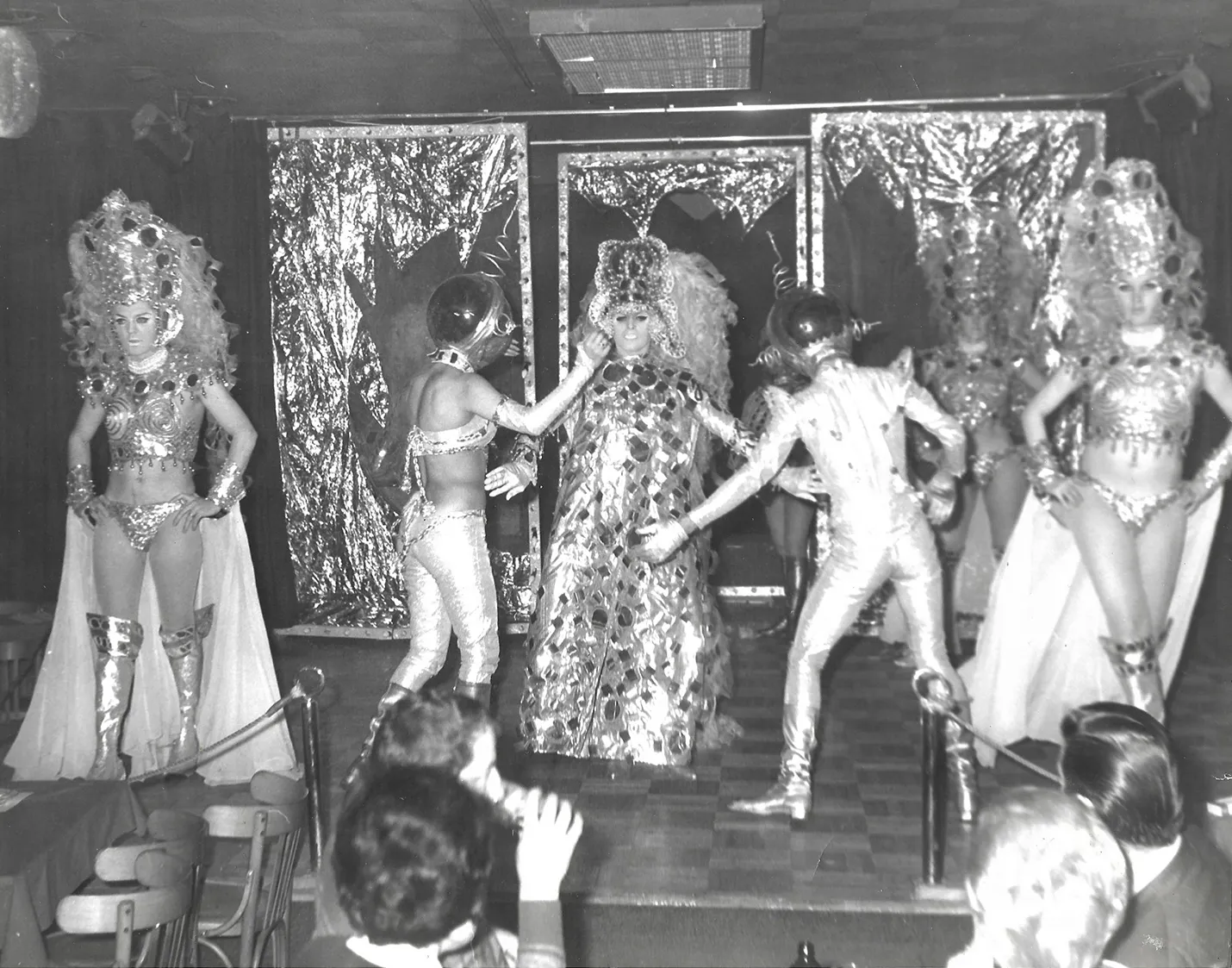
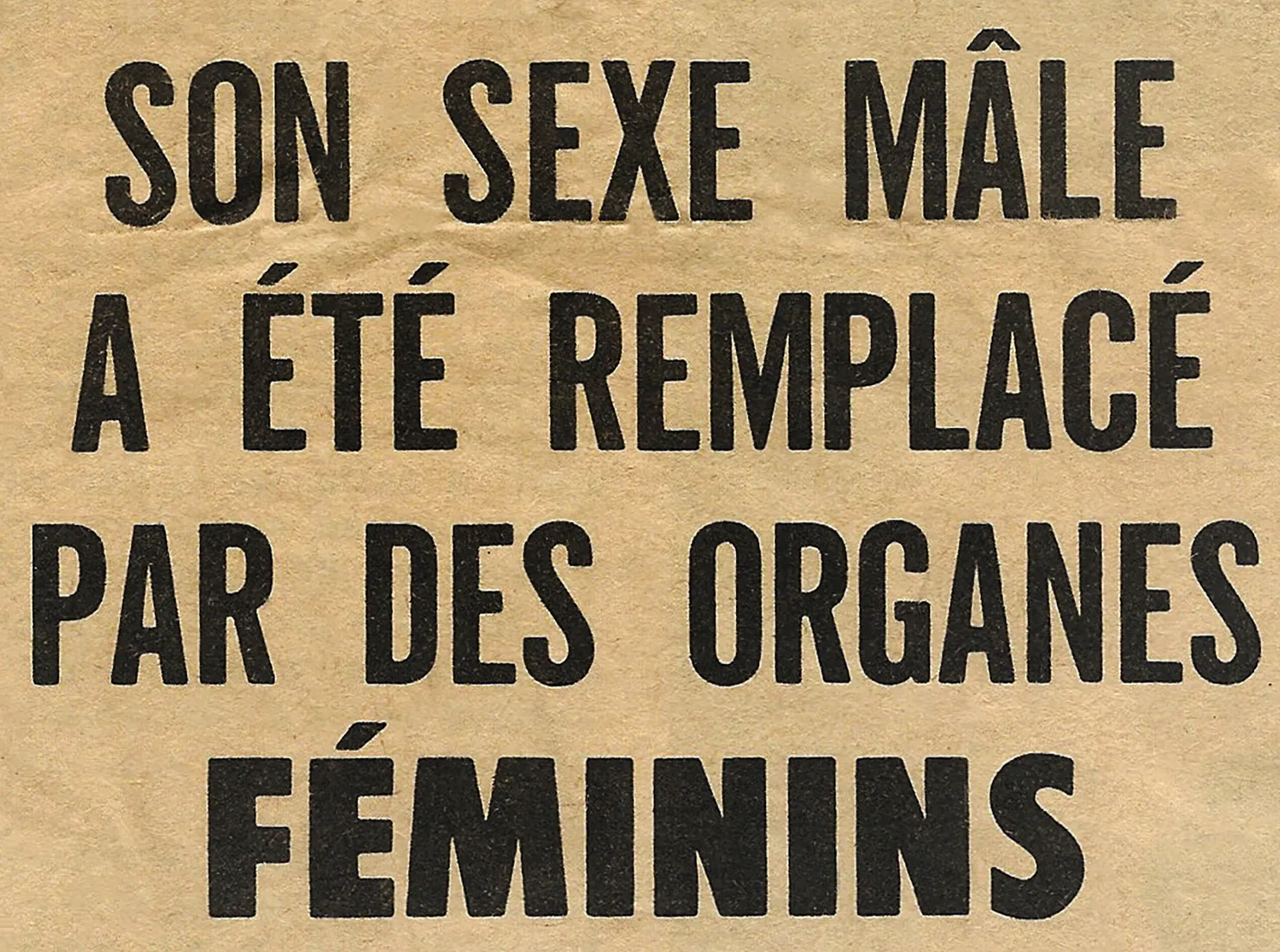
Starting in 1962, hormones began to circulate and the first gender-affirming surgeries gradually became accessible. For many, these medical advances opened the door to a future that had previously seemed unimaginable. Yet despite this emerging hope, police violence, fear of rejection, and everyday discrimination remained pervasive. In this context, simply existing as a trans person was already an act of courage, in a society that still largely refused to recognize these realities.
At that time, survival often meant making difficult choices. Prostitution, substance use, petty crime, and the cabaret scene were sometimes the only spaces where trans people—and those who did not conform to social norms—could exist, express themselves, and earn a living. These realities reflect a context shaped by exclusion: limited access to employment, medical pathways filled with obstacles, and frequent rejection from families. To finance a transition—or simply to hope for a dignified life—people often had to learn to navigate the margins of a deeply hostile society.
Call us 24/7
Our trained and empathetic volunteers are available to listen to and support you.
1 (855) 909-9038 , ext. 1